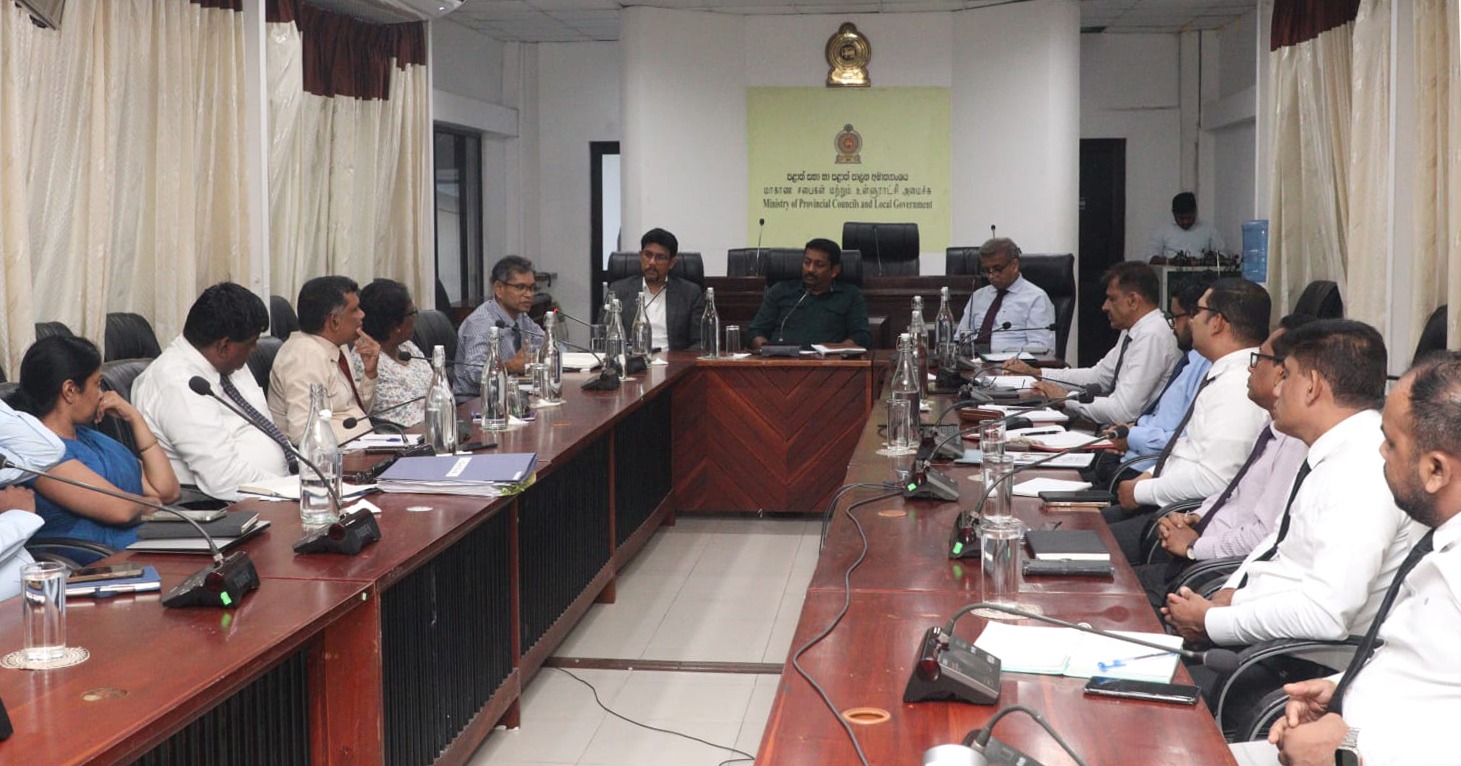
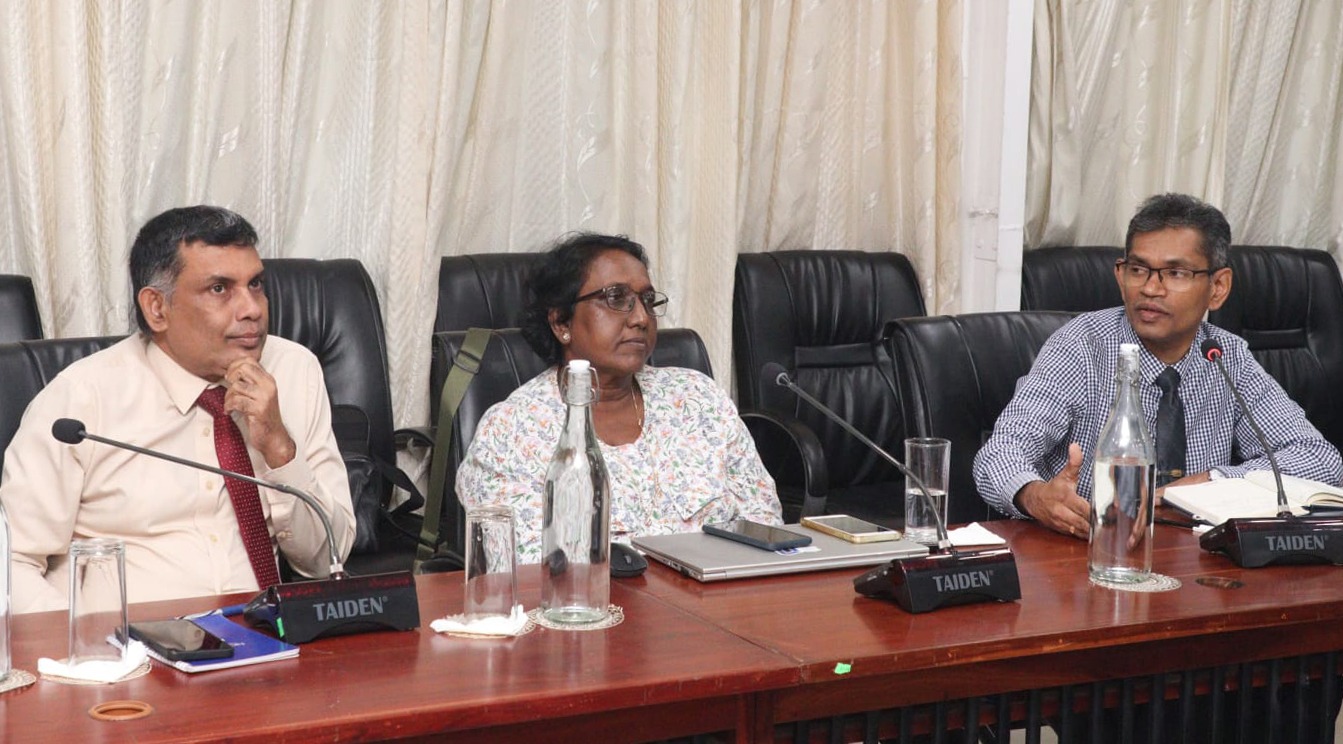
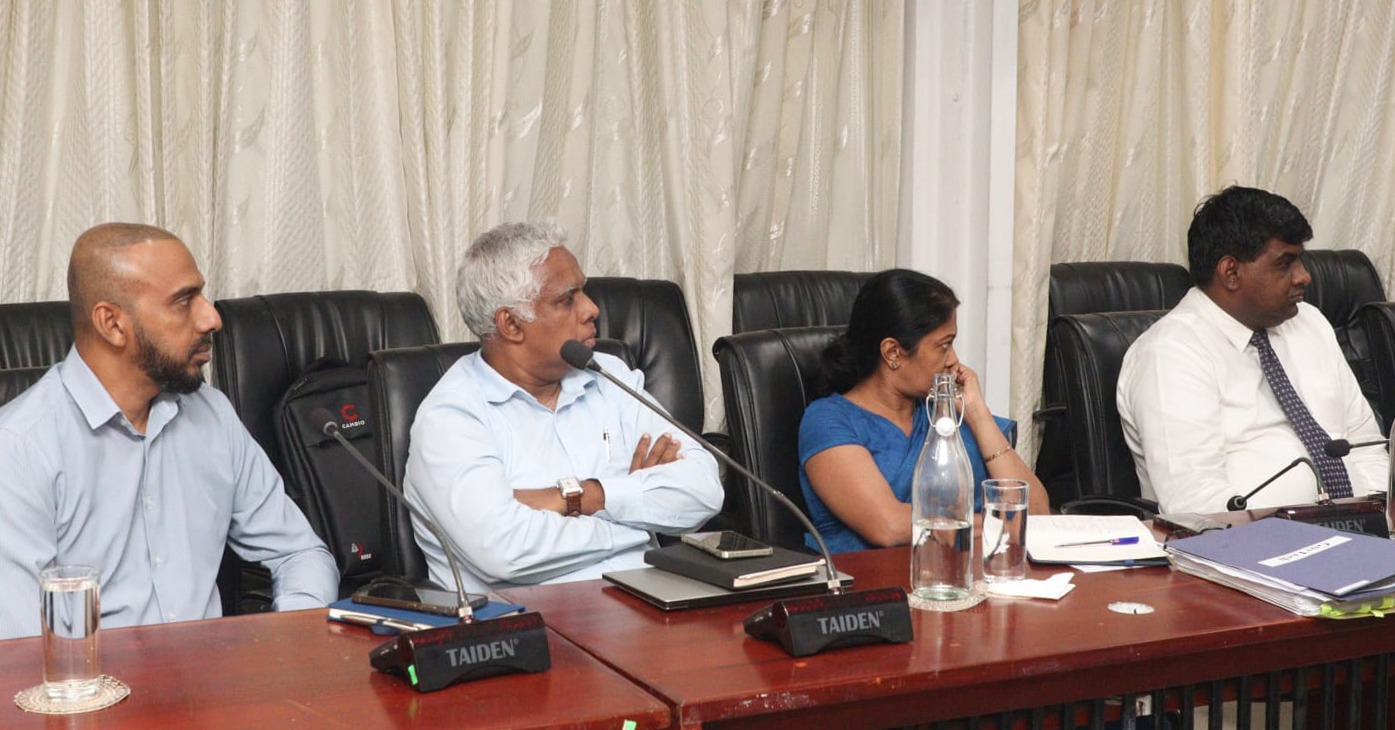
Marking a significant milestone in Sri Lanka's journey toward a robust digital economy, a high-level national discussion was successfully convened on June 3, 2026.
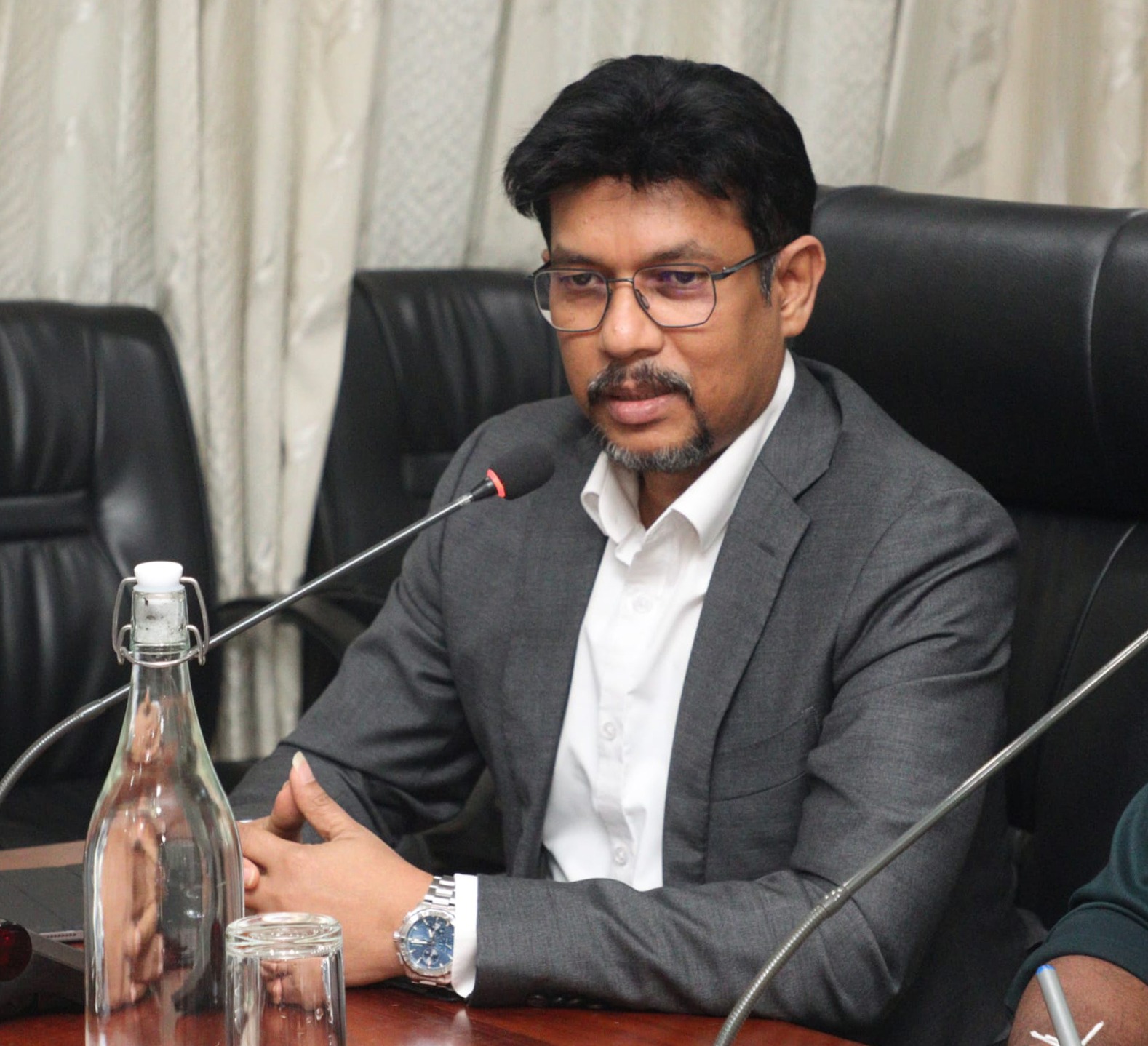
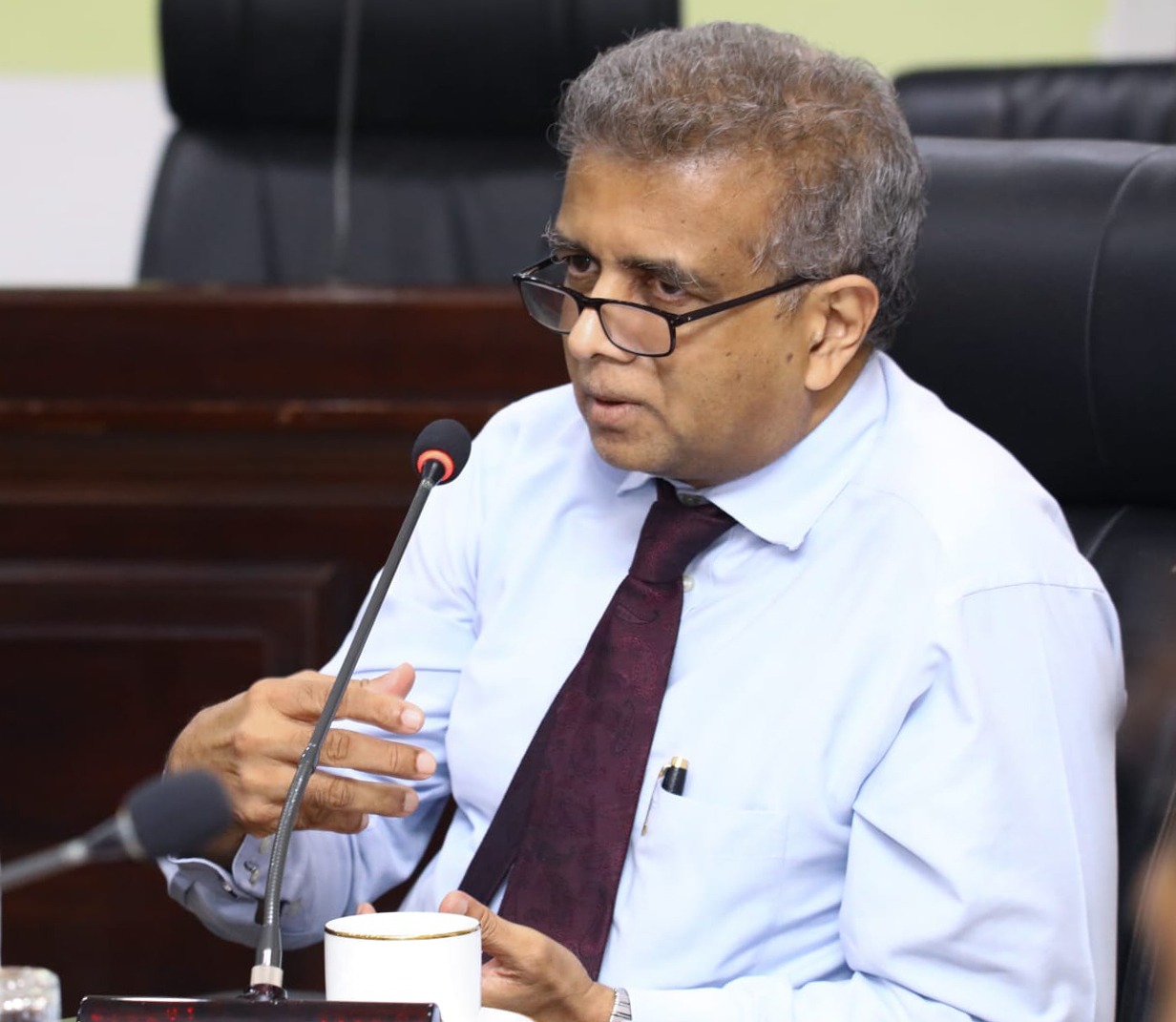
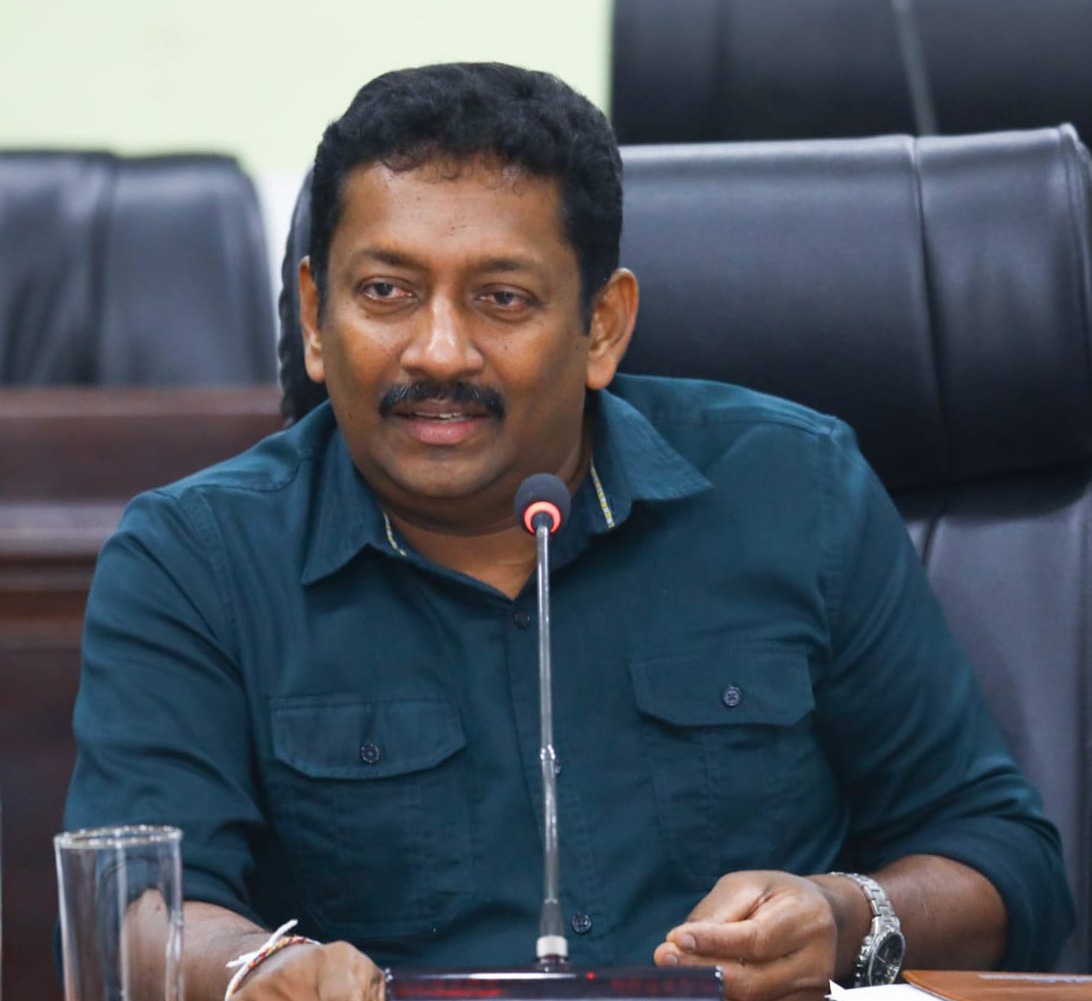
The meeting was co-chaired by the Hon. Deputy Minister of Digital Economy, Eng. Eranga Weeraratne, and the Hon. Deputy Minister of Provincial Councils and Local Government, Ruwan Senarath, focusing on a comprehensive framework to digitalize the public sector and systematically upgrade the technological skills of public officials.
The primary objective of this initiative is to enhance operational efficiency and eliminate service delays within the public service, aligning it with rapidly evolving global technology. During the session, the critical need to transition the public service from a traditional, "person-dependent" framework to a modern, "system-dependent" model was heavily emphasized.
Key priorities discussed included dispelling technological apprehension among senior officials to foster a strong sense of digital ownership, alongside delivering essential cybersecurity training to mitigate data risks and potential cyber threats stemming from a lack of technical awareness.
Recognizing the importance of building the capacity of government servants in key emerging areas such as cybersecurity, AI, and new government services and other subject matters, as well as the logistical challenges of training hundreds of thousands of public servants simultaneously, a meeting was conducted to develop a strategy for an online e-learning platform. The entire rollout is structured under a comprehensive three-tiered plan targeting the current workforce, new recruits, and the future generation. For the current workforce, the government will deliver tailored training based on specific professional tiers spanning executive, middle management, and non-staff levels. New recruits will face enforced digital certification as a mandatory requirement either prior to or immediately upon their entry into public service, while the future generation will benefit from school and university curricula aligned directly with the evolving demands of the digital economy.
As an immediate first step, officials will undergo a 10-minute foundational cybersecurity awareness module and practical training on utilizing official government emails and digital collaboration tools correctly, moving away from unsecured public platforms like WhatsApp and Viber.
It was discussed that this initiative should be implemented collaboratively, involving not only the Ministry of Digital Economy but also the Ministry of Public Administration and the Ministry of Provincial Councils and Local Government, among other relevant institutions. Officials were instructed to engage with the relevant stakeholders, identify requirements, and develop a comprehensive project proposal based on the findings.
The strategic session was attended by a distinguished panel of experts and senior state officials, including the Hon. Deputy Minister of Digital Economy, Eng. Eranga Weeraratne; the Hon. Deputy Minister of Provincial Councils and Local Government, Ruwan Senarath; Chief Advisor to the President on Digital Economy, Dr. Hans Wijayasuriya; Secretary to the Ministry of Digital Economy, Mr. Waruna Sri Dhanapala; Secretary to the Ministry of Provincial Councils and Local Government, Mr. S. Alokabandara; Ministry Advisor, Mr. Upul Abeysiriwardana; and Ms. Vishaka Nanayakkara representing the Centre for Open and Distance Learning (CODL) at the University of Moratuwa