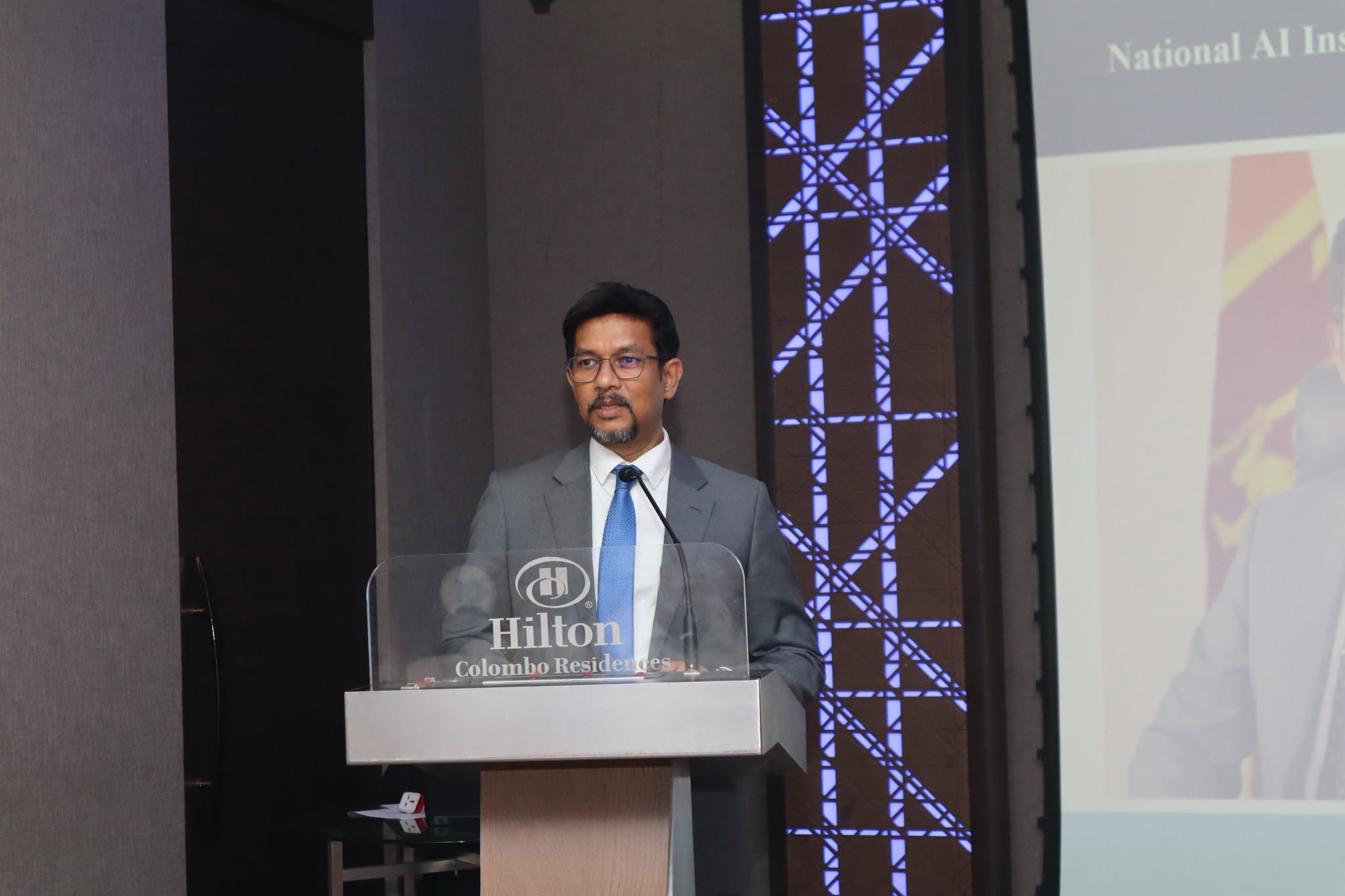
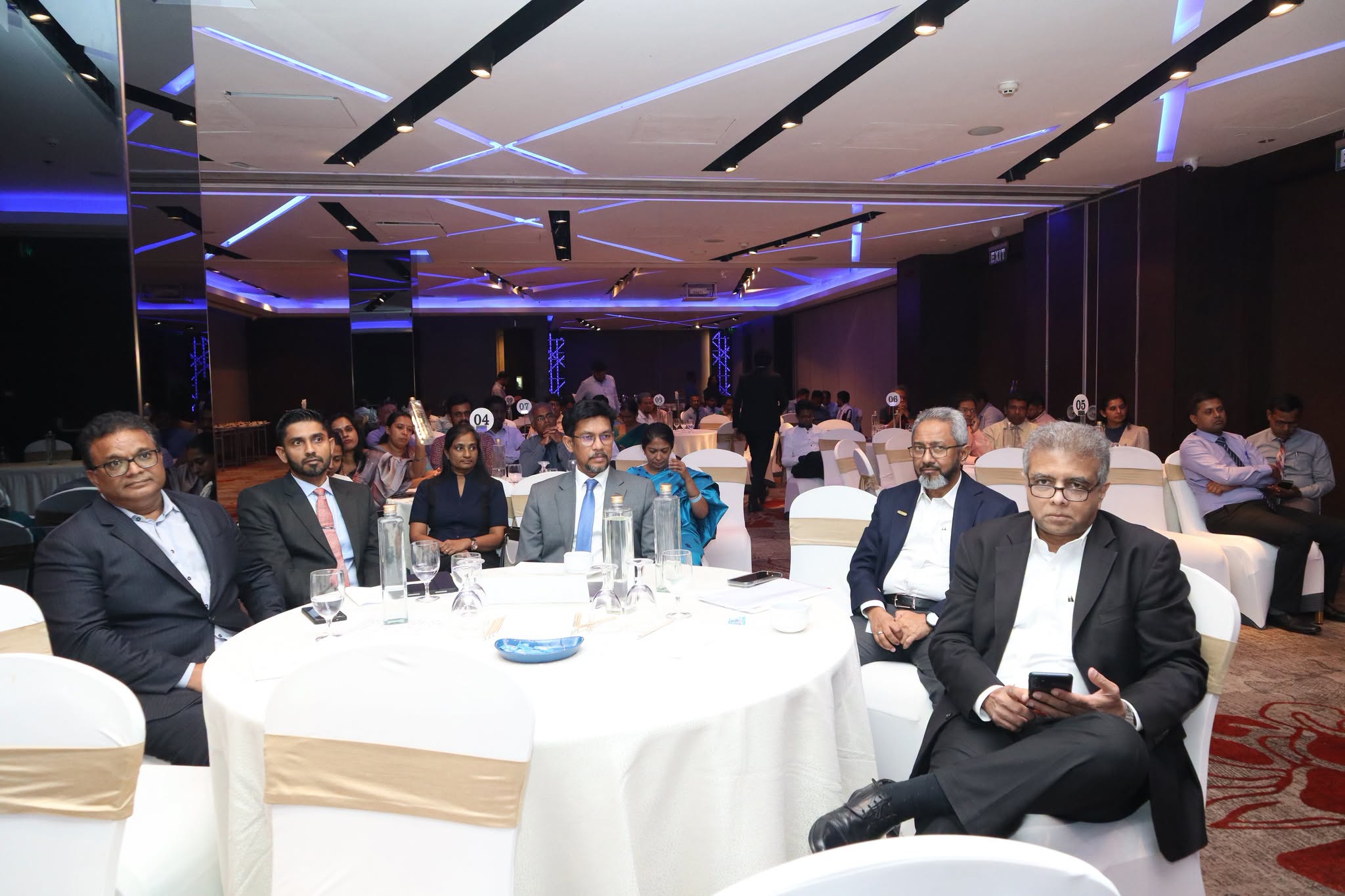
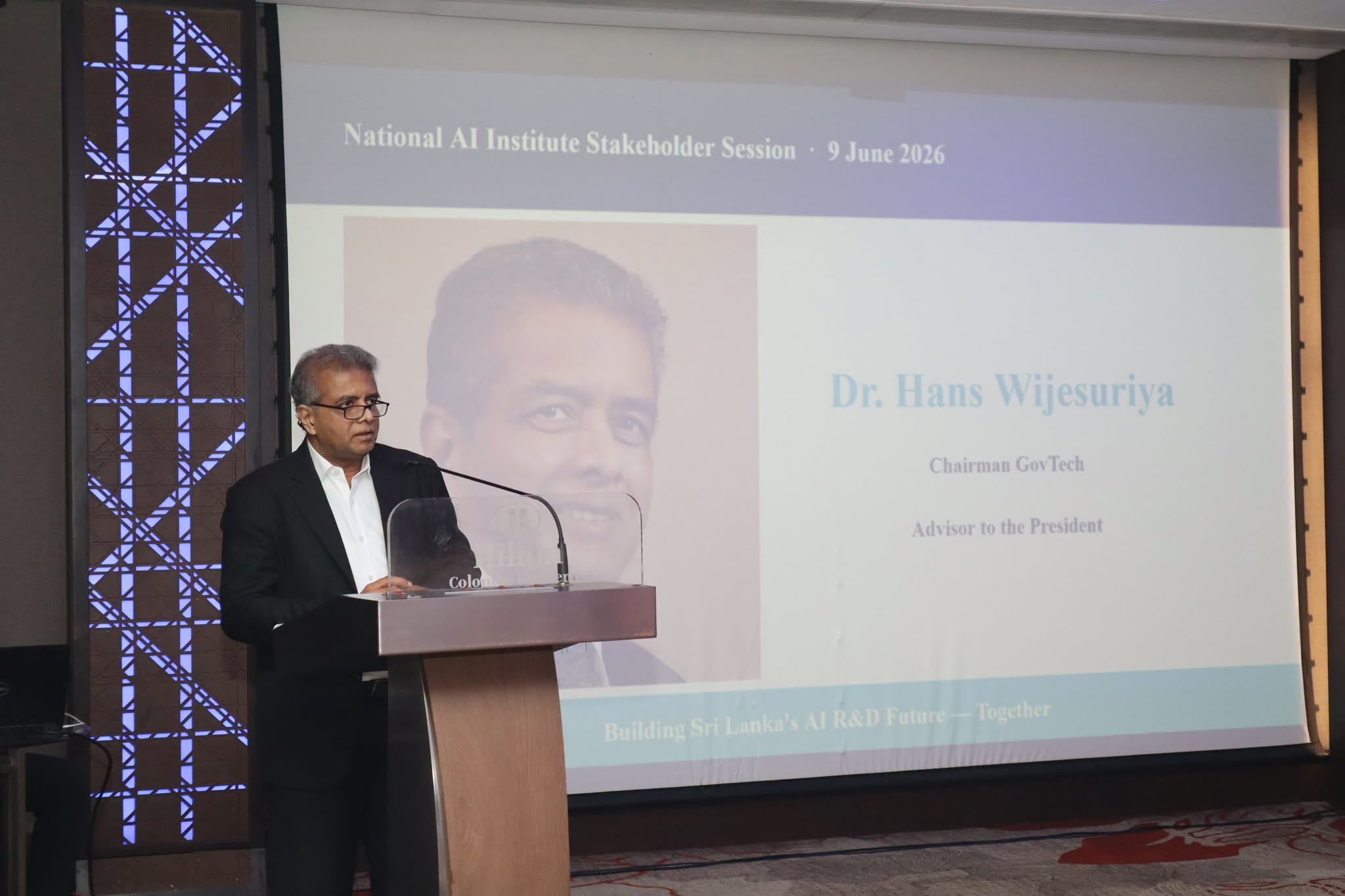
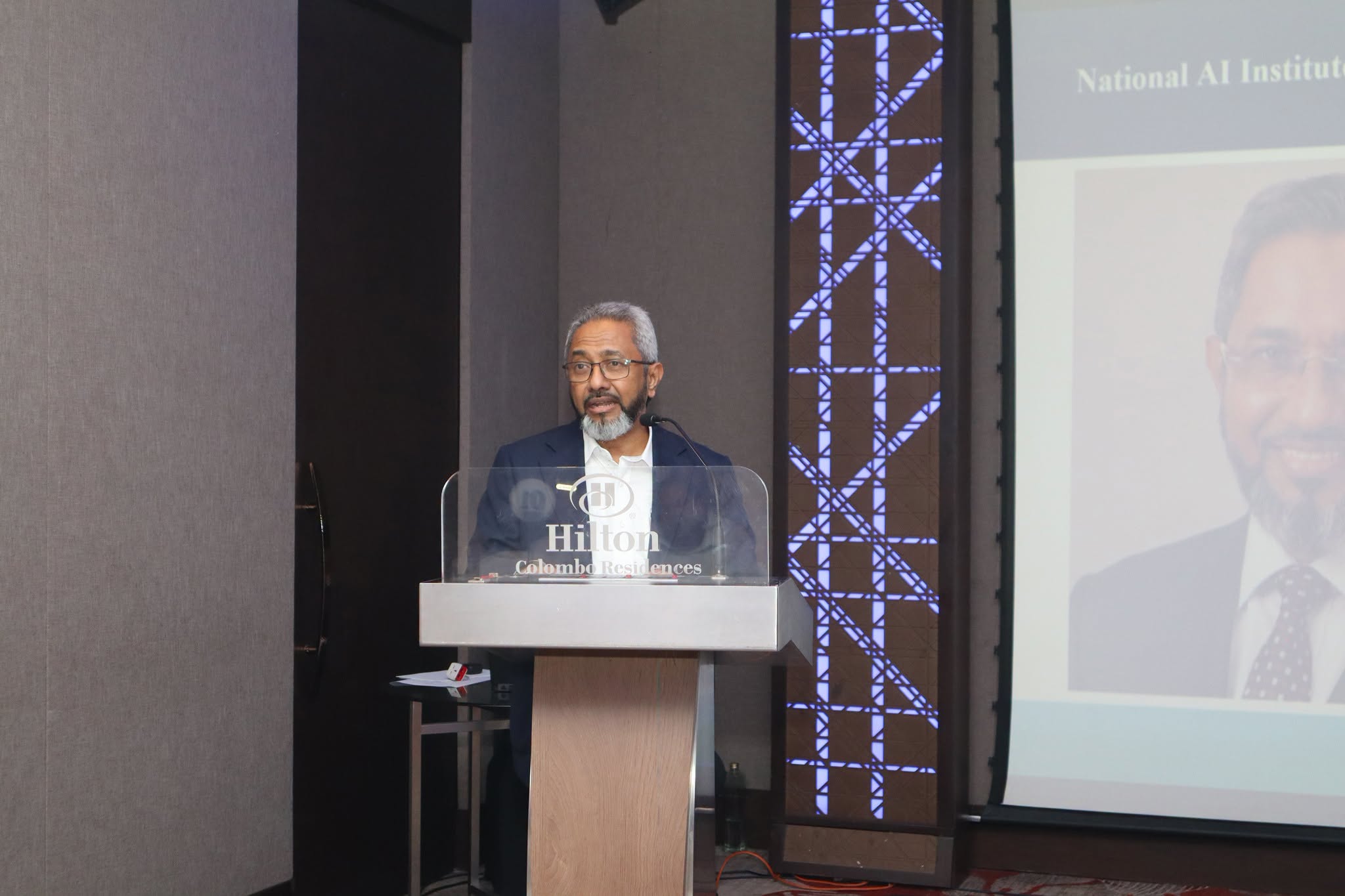
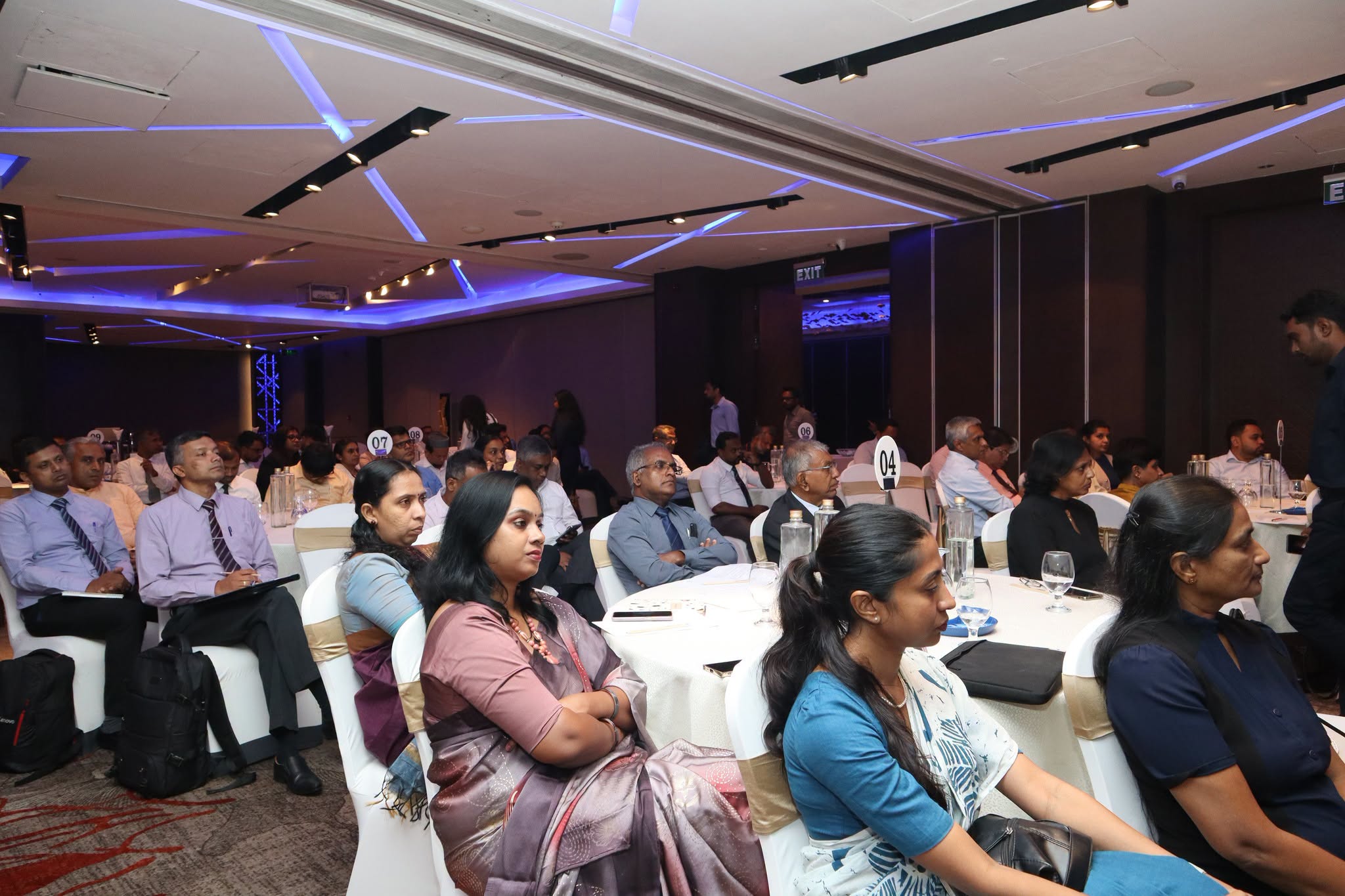
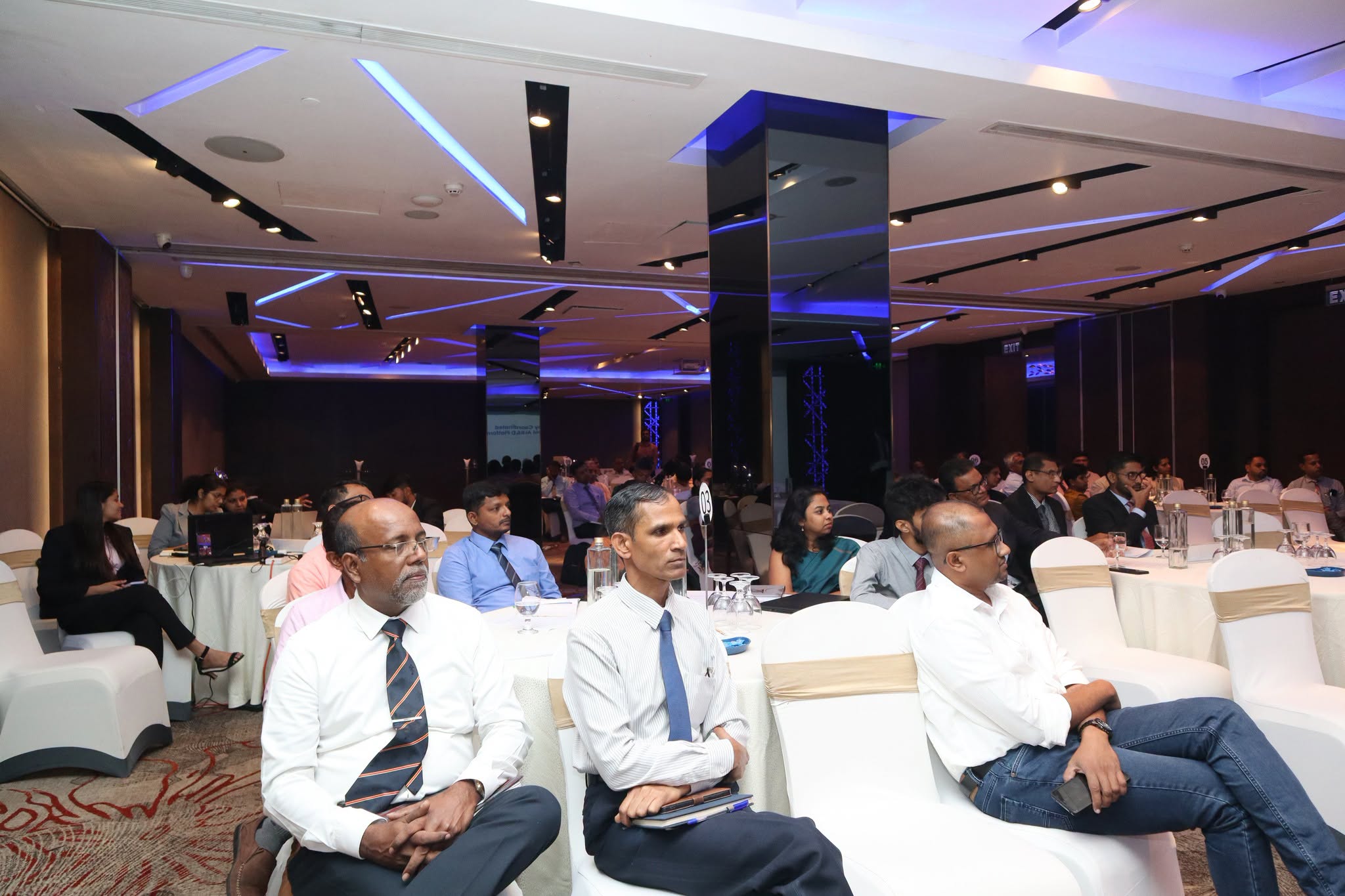
Sri Lanka must transition from being a passive observer to an active leader in the regional and global Artificial Intelligence (AI) competitive landscape, emphasized the Hon. Deputy Minister of Digital Economy, Eng. Eranga Weeraratne. The Deputy Minister made these remarks while addressing the "National AI Institute Stakeholder Consultation" organized by the Lanka Education and Research Network (LEARN). The high-level forum was attended by prominent academia from the higher education sector, technology industry leaders, and representatives from international partner organizations.
In his address, the Deputy Minister pointed out that Artificial Intelligence is no longer a subject confined to research laboratories; it has evolved into the central axis of the global economy, public services, and geopolitical strategic competitiveness. Citing key indicators from the Stanford AI Index and World Bank Development Reports, he noted that while AI offers developing nations a unique opportunity to leapfrog traditional development challenges, a failure to implement timely strategic interventions could further widen the economic disparity between wealthy nations and the rest of the world.
Elaborating on global benchmarks, the Deputy Minister highlighted that countries such as Singapore, India, and the United Arab Emirates have achieved significant advancements in AI due to proactive strategic decisions and sustained national commitment.
He stated that while Sri Lanka possesses exceptional intellectual capital, premier universities, and a highly capable technology industry, it has historically lacked a centralized national body to integrate the efforts of the government, academia, and the private sector, a critical gap that the proposed National Artificial Intelligence Institute aims to bridge.
The proposed institute will serve to consolidate currently fragmented AI initiatives across the country, providing researchers with shared access to High-Performance Computing (HPC) infrastructure and high-quality localized datasets. Furthermore, the Deputy Minister emphasized that a primary objective of the institute will be to foster sovereign AI capabilities tailored to Sri Lanka’s unique context, driving a comprehensive transformation across vital sectors including public administration, agriculture, healthcare, and education.
Concluding his remarks, the Deputy Minister stated that the success of this landmark institution cannot be achieved by a single ministry alone, underscoring that institutional collaboration and a unified consensus among all stakeholders remain absolute prerequisites for its execution.